Scott 3200A Tailwheel – Fully Rebuilt: Reliable Aircraft Ground Handling Performance
Scott 3200A Tailwheel – Fully Rebuilt: Reliable Aircraft Ground Handling Performance
Blog Article
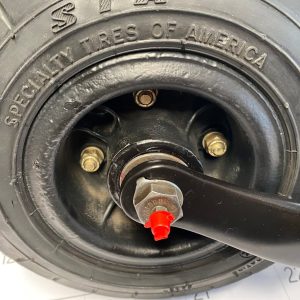
The Scott 3200A Tailwheel – Fully Rebuilt offers a dependable replacement option for suitable taildraggers requiring responsive steering, smooth swiveling, and reliable aircraft ground handling. A fully rebuilt description should identify which bearings, bushings, springs, steering components, seals, fasteners, wheel parts, and wear items were replaced or retained.
The Scott 3200A Tailwheel Assembly combines wheel support, directional steering, swiveling capability, and tail-load management within one compact component. A Scott Tailwheel Assembly can develop wear through repeated taxi cycles, landings, vibration, dirt exposure, moisture, poor lubrication, incorrect alignment, or unsuitable adjustment.
An Aircraft Tailwheel Assembly experiences vertical loads, side forces, vibration, steering input, and occasional impact during routine service. A properly maintained General Aviation Tailwheel can support predictable directional control and long-term serviceability.
Whether the requirement is an Aircraft Tailwheel, Taildragger Tailwheel, Aviation Tailwheel System, or Tailwheel Steering Assembly, exact compatibility should guide the purchase.
Exploring the Scott 3200 Tailwheel Design
The Scott 3200A is designed to provide tail support, wheel rotation, steering response, and controlled swiveling for compatible conventional-gear aircraft. Poor ground handling can result from issues outside the tailwheel, including incorrect chain tension, fatigued springs, loose mounting hardware, bent tail springs, or misalignment.
Benefits of the Scott 3200A Tailwheel Assembly
Its mechanical configuration can support directional control during normal taxiing while allowing wider turning movement when required. Detailed documentation gives buyers a stronger basis for comparing available Scott 3200A Tailwheel Assemblies.
Scott Tailwheel Reliability and Condition
Final adjustment and functional testing should confirm that the Scott Tailwheel Assembly operates consistently. A written work summary helps explain how the seller defines the assembly’s condition.
Aircraft Tailwheel Assembly Benefits
The assembly should move freely enough for intended operation while avoiding uncontrolled swivel or excessive looseness. Weak, broken, or mismatched steering springs may reduce directional response or create irregular control.
General Aviation Tailwheel Applications
Grass, gravel, and dirt can introduce moisture, abrasive particles, vegetation, and debris into moving areas. A Scott 3200A may suit several aircraft types, but broad fitment should never be assumed from category alone.
Maintaining an Aircraft Tailwheel
A well-maintained Aircraft Tailwheel can support smoother tracking and reduce unnecessary pilot workload. The wheel should rotate smoothly click here without excessive side play, roughness, binding, or abnormal drag.
Choosing a Taildragger Tailwheel
Taildragger pilots coordinate rudder, brakes, power, and tailwheel input to maintain ground stability. Maintenance should address both ordinary wear and damage following unusual ground events.
Aviation Tailwheel System Inspection
Every component influences how steering input reaches the wheel and how operational loads return to the aircraft. Steering chains or links should have suitable tension, symmetry, attachment security, and freedom of movement according to the aircraft configuration.
Tailwheel Steering Assembly Performance
A professional rebuild should address the complete Tailwheel Steering Assembly rather than only visible exterior parts. Hardware should remain secure, correctly sized, and appropriate for the assembly.
Aircraft Taxi Steering Performance
Reliable ground handling begins with a serviceable assembly and a correctly adjusted installation. Towing should use appropriate equipment and procedures that avoid overloading steering arms, chains, springs, forks, or mounting structures.
Maintaining Scott 3200 Series Components
The Scott 3200 Series Tailwheel has become familiar within general aviation through its use on numerous conventional-gear aircraft and restoration projects. Model identification should be supported through reliable references and qualified review.
Choosing a Heavy-Duty Aircraft Tailwheel
A Heavy-Duty Aircraft Tailwheel may be considered for utility, bush, training, agricultural, work-oriented, or backcountry aircraft exposed to demanding ground use. Mud, dust, gravel, and water can shorten inspection and lubrication intervals.
Inspecting Tailwheel Aircraft Parts
Replacement components should be selected through accurate identification and suitable technical references. The rebuild should examine all interacting parts rather than focusing on external appearance.
Choosing an Aircraft Steering Tailwheel
A rebuilt steering mechanism should be evaluated for smooth, consistent, and repeatable operation. Maintenance personnel should inspect steering arms, springs, chains, fork structure, wheel condition, and mounting points after significant events.
Benefits of a Replacement Aircraft Tailwheel
Correct identification reduces compatibility problems, return costs, and installation delays. Qualified personnel should verify condition, completeness, and installation suitability.
Maintaining General Aviation Gear Components
A complete landing gear assessment may reveal concerns beyond the tailwheel itself. Transparent descriptions support trust among aircraft owners, sellers, and maintenance professionals.
Scott Tailwheel Condition Checklist
The rebuild date and identity of the rebuilder should be provided where available.
- Confirm that the assembly is a Scott 3200A, review all visible markings, compare mounting details, and verify the wheel-and-fork configuration for the intended aircraft.
- Do not treat clean paint, fresh grease, or bright hardware as proof of a complete mechanical rebuild.
- Require packaging that protects the wheel, fork, steering arms, mounting surfaces, fittings, and loose hardware from impact and movement.
Installing the Scott 3200A Tailwheel
The aircraft should be supported safely while the existing assembly, tail spring, steering links, mounting bolts, and surrounding structure are inspected. The steering linkage should respond properly without restricting rudder movement.
Controlled taxi testing may help confirm steering response, centering, ground tracking, brake interaction, and shimmy resistance.
Maintaining the Scott 3200A Tailwheel
Aircraft operating from dirt, grass, gravel, mud, or backcountry strips may require more frequent attention. Changes in taxi handling should be documented and reported.
Suitable lubricant should be applied at the correct locations without attracting unnecessary contamination.
Buying a Fully Rebuilt Scott Tailwheel
For the correct installation, the rebuilt assembly can support directional steering, controlled swiveling, predictable taxiing, and long-term serviceability. Careful technical and commercial evaluation can reduce compatibility problems, repeated repairs, project delays, and unexpected costs.
Whether operators are sourcing an Aircraft Steering Tailwheel, Replacement Aircraft Tailwheel, or General Aviation Landing Gear Parts, complete condition information supports informed decisions. With careful selection and attention to the complete tailwheel system, owners can reduce shimmy, binding, irregular steering, looseness, and premature wear.
Report this page